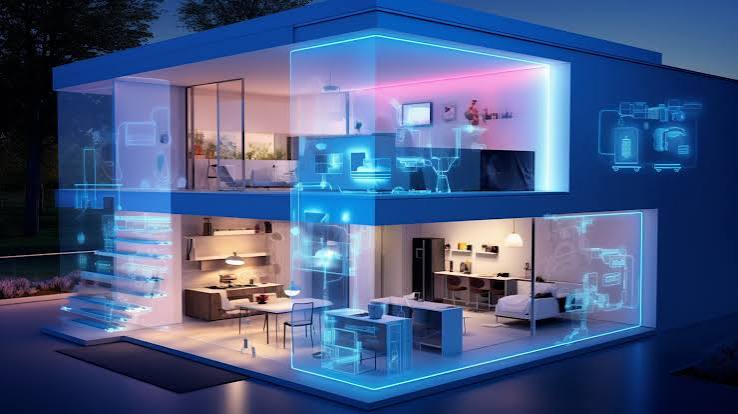
Modern homes are becoming more comfortable, connected, and practical. Technology has changed the way people communicate, work, shop, entertain themselves, and even manage everyday household tasks. At the same time, homeowners are paying more attention to how their living spaces are designed and maintained.
The combination of technology and thoughtful home improvement can make a noticeable difference without requiring a complete renovation. Sometimes, a few practical upgrades are enough to make a home easier to use and more enjoyable.
Technology Is Becoming Part of Everyday Home Life
Technology is no longer limited to computers and mobile phones. Many homes now include smart televisions, connected lighting, automated appliances, digital security systems, and other devices designed to simplify daily routines.
For example, smart lighting can allow homeowners to control lights more conveniently, while connected appliances can provide useful information about their operation. These tools can make certain household tasks easier, particularly when they are selected according to genuine needs rather than simply because they are fashionable.
People interested in technology trends and practical digital ideas can explore CodeTechWorld for additional technology-focused information and discussions.
A Good Home Starts With Practical Design
Beautiful décor is useful, but practical design should come first. A room needs to work properly for the people using it.
Furniture should allow comfortable movement, storage should be easy to access, and frequently used items should be placed where they are convenient. A well-designed room can feel more spacious even when the actual size of the room has not changed.
Before purchasing new furniture or decorative pieces, homeowners should consider how the space is used throughout the day. This simple step can prevent unnecessary purchases and make future improvements more effective.
Improve Storage Before Adding More Furniture
Storage is one of the most common challenges in modern homes. When belongings do not have designated places, rooms can quickly become cluttered.
Instead of immediately adding another cabinet or shelf, it can be useful to review existing storage. Vertical shelves, under-bed storage, multipurpose furniture, and organised cupboards can make better use of available space.
Decluttering is also an important part of home improvement. Removing items that are rarely used can create more room without spending anything.
Lighting Can Transform a Room
Lighting is another relatively simple upgrade that can change how a home feels.
Natural light should be used whenever possible. Keeping windows clear and choosing suitable curtains can help rooms feel brighter during the day.
At night, using different types of lighting can create more flexibility. A central ceiling light may provide general illumination, while table lamps or floor lamps can create a softer atmosphere.
Lighting should also match the purpose of the room. A workspace may benefit from focused lighting, while a bedroom may work better with softer illumination.
Home Maintenance Should Not Be Ignored
Home improvement is not only about appearance. Maintenance is equally important.
Small problems can become larger and more expensive when they are ignored. A dripping tap, damaged seal, loose cabinet handle, cracked tile, or minor wall problem may seem insignificant at first, but dealing with issues early can prevent further damage.
Regular checks of plumbing, electrical fixtures, doors, windows, roofing, and other important areas can help homeowners identify problems before they become major repairs.
For homeowners looking for practical approaches to repairs, maintenance, and property improvements, HouseFixz can be explored alongside other home-focused resources.
Make Technology Blend Into the Interior
Modern technology can sometimes create visual clutter. Cables, chargers, routers, speakers, and screens may dominate a room if they are not organised properly.
Simple cable management can make a surprisingly big difference. Wall-mounted screens can also free up furniture space, while dedicated charging areas can prevent cables from spreading across desks and countertops.
The goal does not have to be hiding every piece of technology. Instead, technology should fit naturally into the overall design of the room.
Choose Improvements That Provide Long-Term Value
Not every home improvement needs to be expensive. Some upgrades can provide practical value for years.
Improving insulation, repairing damaged areas, upgrading inefficient fixtures, improving storage, and maintaining important systems can all contribute to a more comfortable home.
When considering a larger project, homeowners should think beyond appearance. Durability, maintenance requirements, functionality, and long-term usefulness are equally important.
Small Changes Can Have a Big Impact
It is easy to assume that improving a home requires a large budget. In reality, small changes can sometimes have the greatest immediate effect.
Rearranging furniture, replacing worn hardware, improving lighting, organising storage, repainting a tired wall, or adding useful shelving can refresh a room without a major renovation.
The most successful improvements are often the ones that solve a real problem while making the home more comfortable.
Create a Home That Matches Your Lifestyle
Every household uses its space differently. A home office may be essential for one person, while another household may need more family seating or storage.
Because of this, homeowners should avoid copying designs simply because they look attractive online. A room should be designed around the people who actually live there.
Technology, furniture, décor, and maintenance should all support everyday routines rather than making life more complicated.
The Future of Home Living
The relationship between technology and home improvement will likely continue to grow. Connected devices may become more common, while homeowners will continue looking for ways to make their spaces more efficient and comfortable.
However, the basic principle will remain the same: good home improvement should make everyday life better.
Whether the upgrade involves a smart device, improved storage, better lighting, or a simple repair, the best projects are those that provide genuine practical value. A modern home does not need to be filled with expensive gadgets or designer furniture. It simply needs to be comfortable, functional, well-maintained, and suited to the people who live there.